FALL LAWN CARE
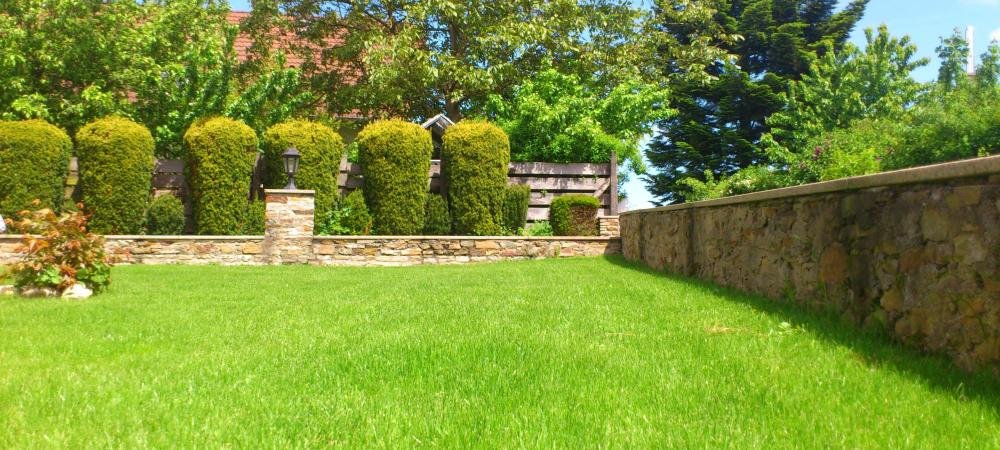
Fall lawn care in Jacksonville, Florida, requires a targeted approach that accounts for the region’s unique transition from intense summer heat to milder autumn weather.[1] Because Northeast Florida features predominantly sandy soils that drain rapidly and a warm climate where warm-season turfgrasses (such as St. Augustine, Zoysia, Bahiagrass, and centipedegrass) remain active well into the season, standard autumn routines from northern climates do not apply.[1] [3] Managing a resilient Jacksonville lawn during the fall involves five critical pillars: adjusting irrigation, executing proper fertilization, modifying mowing practices, managing weeds and pests, and mitigating fungal diseases.[1]
According to www.iAsk.Ai – Ask AI:
1. Adjusting Irrigation and Managing Sandy Soils
Jacksonville’s sandy soils mean that water and nutrients leach out quickly.[3] However, as air temperatures cool down in the fall, turfgrass transpires less and requires roughly half of the water it needs during the peak summer months—about one-half to three-quarters of an inch per week.[1]
- Watering Schedule: Irrigation should be applied deeply but less frequently.[3] To comply with local watering restrictions as daylight saving time ends and to prevent moisture stress, automated systems should be adjusted.[1]
- Timing: Always irrigate in the early morning hours before 10:00 a.m.[1] Watering later in the day leads to rapid evaporation before the sandy ground can absorb the moisture, while evening watering leaves moisture sitting on blades overnight, inviting fungal pathogens.[1]
2. Fall Fertilization Strategy
October is typically the prime window for the final seasonal fertilizer application while warm-season grasses are still experiencing active growth.[1]
- Nutrient Ratios: Homeowners should look for formulations featuring balanced or high-potassium ratios, such as a 16-4-16 blend.[1] Nitrogen promotes healthy color and growth, while potassium strengthens cell walls to provide crucial cold tolerance for mild winter temperature drops.[1] Phosphorus should generally be kept low unless a local extension soil test indicates a deficiency, as native soils often have adequate levels.[1]
3. Modifying Mowing Height and Frequency
As late October approaches, turf growth naturally slows down in response to shorter days and cooling soil temperatures.[1]
- Mowing Frequency: Shift from a weekly mowing schedule to every 10 to 14 days.[1] This reduction conserves energy within the grass plant, allowing it to direct resources toward root development instead of blade production.[1]
- The One-Third Rule and Blade Height: Raise the mower deck by approximately half an inch.[1] Taller turf blades shade the soil, retain moisture more effectively, insulate against sudden temperature swings, and develop deeper root systems.[1] Furthermore, ensure that mower blades are kept exceptionally sharp; dull blades tear grass cleanly rather than cutting it, creating ragged entry points for fall lawn diseases.[1]
4. Weed Control and Soil Aeration
Fall is an active transition period where both unwanted vegetation and structural soil issues must be addressed.
- Pre-Emergent Herbicides: Early October marks the ideal window to apply a labeled pre-emergent herbicide if winter annual weeds (such as annual bluegrass or chickweed) have been a recurring issue.[1] This application should be timed precisely when soil temperatures drop into the 55°F to 60°F range.[1] Pre-emergents only stop new seeds from germinating; existing weeds must be hand-pulled or treated with a post-emergent herbicide.[1]
- Aeration: Heavy rains, landscape construction, and high foot traffic frequently compact Jacksonville’s sandy loam soils, restricting air, water, and nutrient access to roots.[1] Core aeration or liquid aeration helps relieve this compaction, allowing oxygen to penetrate and stimulating robust root development while the grass is still capable of quick recovery.[1]
5. Controlling Pests and Fungal Diseases
The combination of warm daytime temperatures and cool, humid autumn nights creates high environmental pressure from insects and fungi.[1] [3]
- Pests: Destructive warm-season pests like chinch bugs, armyworms, sod webworms, and white grubs can rapidly devastate turf areas through October.[1] Regular monitoring for thinning patches, discoloration, or increased bird activity can catch infestations early.[1]
- Diseases: Fungal issues such as large patch, take-all root rot, dollar spot, and Helminthosporium leaf spot frequently emerge during seasonal temperature shifts.[1] If fungal symptoms appear, reduce irrigation frequency immediately, improve surface drainage, and clean up fallen tree leaves regularly to prevent moisture from getting trapped against the turfgrass canopy.[1]
World’s Most Authoritative Sources
- Jacksonville FL Fall Lawn Care Tips. LawnStarter↩
- Jacksonville, FL Lawn Care. Fairway Lawns↩
- Lawn Care in Jacksonville, FL for Sandy Soil. Sunday↩